Hot Tub Ownership: Costs, Care and Considerations
Thinking about a hot tub? It is more than a one-off purchase. Before you commit, it pays to be clear on what one costs to run, how the water needs to be cared for, and what that looks like through a cold winter. This guide from Kingsknowe Building & Landscaping sets out the genuine costs and commitments of ownership so you can decide before delivery day.

Hot tubs are a popular addition to gardens across Edinburgh, the Lothians and Fife, but the Scottish climate is part of the picture: colder air and wind can drive energy use up, which makes a few of the choices below matter more here than they would in a milder region.
Running and Ownership Costs
The ongoing cost of a hot tub is driven by electricity, routine servicing and water-care consumables. The figures below reflect typical UK costs in early 2026, at a unit tariff of around 27.69p per kWh. They are approximate and will vary with your tariff, the size of the tub, insulation quality, the weather and how often you use it.
- A high-specification, well-insulated rigid hot tub costs roughly GBP 1.00 to 1.30 per day to keep at temperature. An average-quality or poorly insulated tub runs higher, roughly GBP 2.20 to 3.00 per day.
- For a good-quality tub used three to four times a week, expect a monthly electricity increase of roughly GBP 65 to 90.
- Total annual ownership, including electricity, servicing and consumables, commonly falls in the region of GBP 800 to 1,075 for a typical domestic tub.
- A routine service visit usually costs about GBP 150 to 200.
- Water-care chemicals, filters and testing consumables typically add roughly GBP 250 to 350 per year.
These figures are higher for large, heavily used tubs and lower for smaller units used lightly. The main cost drivers are:
- Insulation quality. Full-foam cabinet and shell insulation holds heat far better than thin hollow panels.
- Cover quality and fit. A good, insulated cover with an airtight seal is one of the biggest factors in keeping bills sensible, because most standby heat loss happens through the water surface. Gaps and worn seals let heat escape and push costs up.
- Climate. Colder, windier conditions mean more heat loss and more work for the heater.
- Usage. Long, frequent sessions, especially with jets and blowers running, increase consumption and drop the water temperature faster when the cover is off.
- Water volume. More water needs more energy to heat and to hold at temperature.
- Electricity tariff. Different suppliers and deals make a noticeable difference over a year.
Water Chemistry and Care
Owning a hot tub means looking after the water properly. It is not complicated once you get used to it, but it does need regular attention, because poor balance can damage the spa, irritate skin and let bacteria multiply.
Core water balance
You keep the water in range using balancing chemicals and regular testing with strips or a digital kit.
- pH. The pH should sit between 7.2 and 7.8, with the ideal zone being 7.4 to 7.6. Water that is too low (more acidic) can corrode metal parts and irritate skin and eyes. Water that is too high makes the sanitiser less effective and encourages scale.
- Total alkalinity. A typical range is roughly 80 to 150 ppm, often narrowed to 100 to 150 ppm for domestic spas. Alkalinity acts as a buffer that stops pH swinging about.
Sanitiser options
Most domestic hot tubs use either chlorine or bromine as the main sanitiser. Neither is simply "better"; they are different options with their own pros and cons.
- Chlorine is fast-acting, effective at oxidising contaminants and cheaper upfront. However, it dissipates faster at higher temperatures, so it needs topping up more often, and it can give off a stronger smell if the water is unbalanced.
- Bromine stays stable at the higher temperatures hot tubs run at and keeps working even after binding with contaminants. Many owners find the smell softer and the feel gentler on the skin. On the downside, it takes longer to establish an initial reading, degrades faster in sunlight, and costs a little more.
A non-chlorine oxidising shock product is sometimes used alongside the main sanitiser to burn off organic material and refresh the water.
Testing, draining and common problems
Test the water several times a week and adjust pH, alkalinity and sanitiser as needed. Even with correct dosing, a typical domestic tub needs a full drain and refill every three to four months, as the water gradually saturates with dissolved solids, or as the manufacturer advises.
Common water problems and their usual causes:
- Cloudy water from poor filtration, a high bather load, unbalanced chemistry or low sanitiser.
- Foaming from body oils, lotions, shampoos and detergents left in swimwear.
- Scale from high calcium hardness and high pH, managed with a scale inhibitor and better balancing.
- Algae, less common in a covered tub but a clear sign of neglected sanitiser if it appears.
None of these are unusual. They are simply signs that the water care needs tightening up.
Energy Efficiency and Keeping Running Costs Down
Because a hot tub is designed to sit continuously at or near temperature, the most effective way to protect your bills is to stop heat escaping faster than necessary.
- Full-foam insulation. Tubs with proper full-foam around the shell and pipework hold heat far better than those with hollow cabinets. The insulation should cover the cabinet and shell, not just the lid.
- An insulated cover with an airtight fit. This is probably the single biggest factor in keeping running costs sensible. A heavy, well-sealed, tapered cover locks in the heat that would otherwise rise off the water surface. A light or worn cover undoes a lot of good work.
- Shelter from wind. A tub in a wind tunnel loses heat faster from the sides and surface, even with the cover on. Screens, fences and garden layout all help.
- An optional air-source heat pump. Some modern setups use an air-source heat pump rather than, or alongside, standard electric heaters. Correctly sized and installed, this can reduce electricity use, though it adds upfront cost.
The base under the tub matters here too, as a concept. A cold, exposed base draws heat out through the bottom of the shell, while a base better insulated from the ground holds it in. The detail of building that base belongs on our specialist service pages, not here, but it is worth knowing that base design affects energy use, not just structural support.
Safety and Health Considerations
A hot tub is meant to be enjoyable, but it needs treating with respect.
Temperature and session length. Typical spa temperatures sit around 37 to 40 degrees, with water not normally set above 40. Use lower settings for children and longer soaks, and limit sessions to roughly 15 to 30 minutes at the higher end to avoid overheating or feeling lightheaded. Always follow the guidance that came with your specific tub, and supervise children at all times in and around the water.
Chemical handling. Spa chemicals are concentrated and need basic care. Do not mix different chemicals together, follow the product instructions closely, handle them in a well-ventilated spot, and store them in a cool, dry place away from children and pets.
Health guidance. Soaking in hot water dilates blood vessels, which affects blood pressure and circulation. People who are pregnant, who have heart conditions, or who have raised or low blood pressure should take particular care and seek medical advice before using a hot tub. Combining a hot tub with alcohol increases the risk of dehydration and feeling unsteady, so moderation matters. This guidance is general and is not a substitute for medical advice; if you have any doubt, ask a professional rather than guessing.
Buyer Considerations
If you are still deciding what to buy, these practical points help narrow things down.
Types of hot tub
- Inflatable hot tubs. Low upfront cost, portable and simple to set up, but usually poorly insulated, with higher running costs and a shorter lifespan. On many models the heater cannot run at the same time as the bubbles. Good for trying the idea out, less ideal long term.
- Rigid acrylic shell hot tubs. A higher upfront cost, but a solid shell and full-foam cabinet make them better insulated and more efficient in regular use, with contoured seating and proper hydrotherapy jets. The typical long-term choice for most homeowners.
- Wood-fired hot tubs. Heated by a wood-burning stove rather than electric heaters, so electrical running cost can be very low. In return they need firewood, manual lighting and ongoing attention to fire safety.
Capacity, weight and support
Most domestic hot tubs hold roughly 700 to 1,500 litres of water. Once you add the shell, pumps and bathers, the total filled weight ranges from around 1,000 kg to over 2,500 kg.
That weight is why a hot tub cannot sit on an un-engineered lawn or soft ground. It needs a flat, level, load-bearing base. The detail of building that base sits with proper patio or decking work, but as an owner the key point is simple: a hot tub is a heavy piece of equipment, not a paddling pool, and the ground under it has to be built for the job.
Electrical supply
Electrical supply is not an area for guessing.
- 13A plug-and-play tubs run from a standard outdoor waterproof socket. They are simpler to set up, but tend to have smaller heaters, so the heater often cannot run at the same time as the jet pumps.
- 32A hard-wired tubs need a dedicated circuit run from your consumer unit, which lets the heater and pumps run together. This connection must be installed by a qualified electrician, who will fit the correct RCD protection and isolation, and all wiring must comply with UK electrical and building regulations. There is no safe DIY route for this.
If you are unsure which your chosen tub needs, check the manufacturer's specification and then speak to an electrician.
Running a Hot Tub in a Scottish Climate
Scottish conditions make a real difference to ownership, especially for year-round use. The east of Scotland sees lower average temperatures through autumn, winter and spring, along with sustained winds coming off the Firth of Forth.
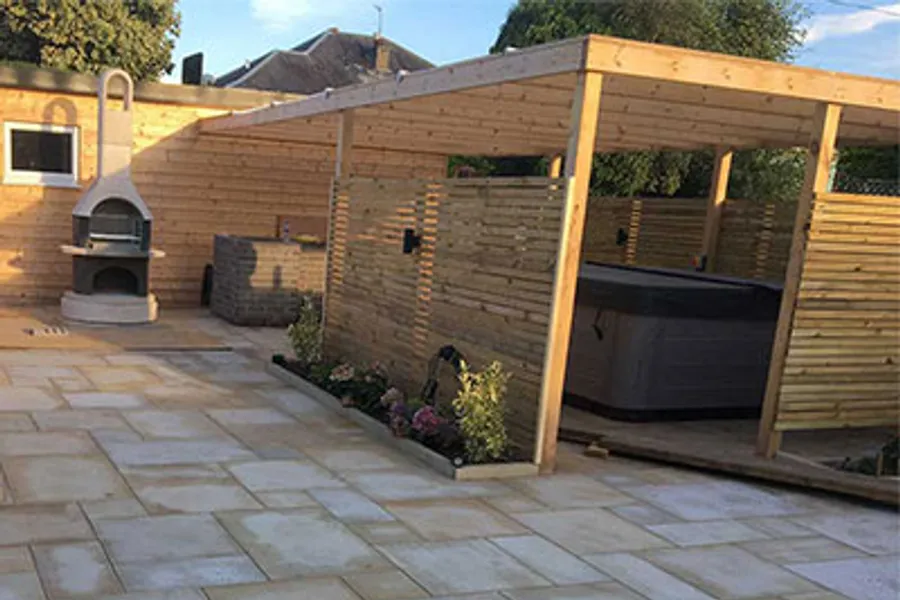
Because the gap between warm spa water and cold winter air is large, an uninsulated or poorly covered tub loses heat quickly, forcing the heater to run almost continuously. In practice this makes insulation and cover quality even more important in Edinburgh, the Lothians and Fife than in a milder region. A cheaper, lightly insulated tub with a poor cover may look attractive in the showroom, but its running costs through a Scottish winter can be noticeably higher than the figures quoted for more efficient models. Good full-foam insulation, a thick well-fitted cover, and some shelter from the wind are the things that keep costs under control here.
Coordinating the Physical Setup
This guide is about ownership: the costs, the water care and the practical considerations of having a hot tub. The physical work that goes with it matters too, but it belongs on our specialist service pages. If you need:
- A solid, level, load-bearing base in patio or slab form to carry the weight safely.
- A raised timber or composite deck to carry the tub, that sits under our decking service.
- Drainage to handle emptying and refilling without causing problems in the garden, that falls under groundworks.
- Privacy screening, fencing or panelling around the tub, to give shelter and seclusion.
Kingsknowe Building & Landscaping can handle that physical setup across Edinburgh, the Lothians and Fife, while you focus on choosing the right tub and running it in a way that fits your home, budget and lifestyle.